Your Headshot Is Working Even When You Aren't: The Strategic Case for Professional Portrait Investment
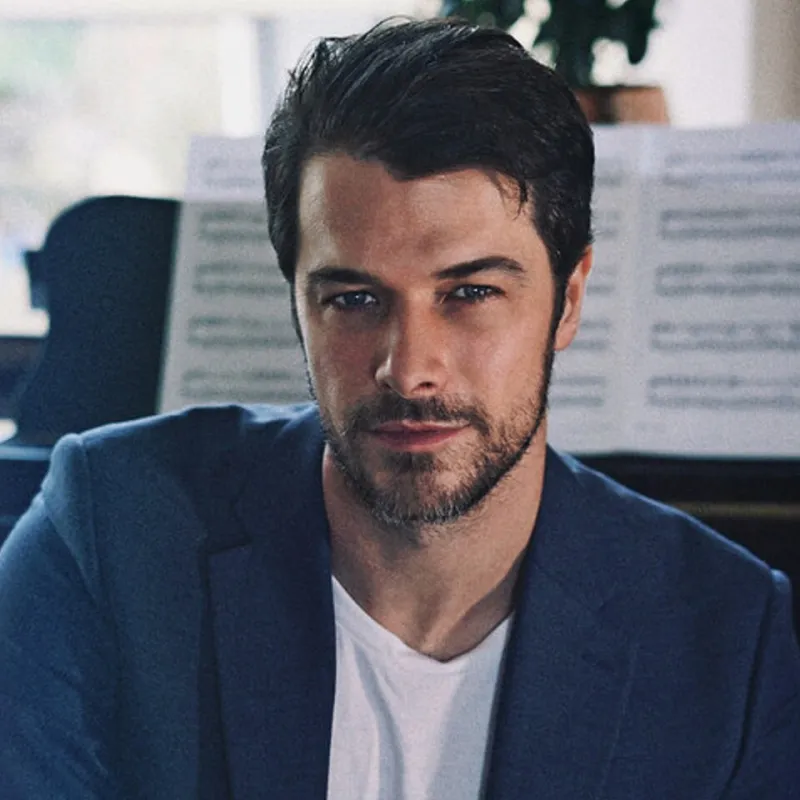
Photo: Scott James Reeves, CC0, via Wikimedia Commons
Before a recruiter reads your resume, before a prospective client reviews your proposal, before a conference attendee decides whether to approach you during a networking break — your photograph has already spoken on your behalf. In the current professional climate, digital presence precedes physical presence in nearly every meaningful career interaction. That reality places an enormous amount of weight on a single image.
And yet, a surprising number of professionals continue to rely on outdated photographs, casual snapshots cropped from social gatherings, or low-resolution images taken on a smartphone in poor lighting. The consequences of that choice are rarely immediate, rarely dramatic, and almost never discussed openly — which is precisely why they are so easy to overlook.
The Hidden Cost of the Wrong First Impression
Human beings form visual judgments with remarkable speed. Research from Princeton University has demonstrated that assessments of competence, trustworthiness, and likability can be made from a facial photograph in under one hundred milliseconds. By the time a hiring manager or potential client has consciously registered your name, their subconscious has already rendered a verdict based on your image.
An outdated headshot — one taken five, eight, or ten years ago — creates an immediate credibility problem the moment you appear in person. The disconnect between the image someone expected and the person standing before them introduces subtle doubt, even if neither party acknowledges it. Similarly, an amateur photograph communicates, however unfairly, that the subject does not consider their professional presentation worthy of investment. In industries where attention to detail and personal brand matter, that signal carries weight.
For executives, the stakes are compounded. A CEO whose LinkedIn profile features a blurry, poorly lit photograph projects an image inconsistent with the authority and polish their role demands. For entrepreneurs seeking funding or partnerships, a weak visual presence can quietly undermine an otherwise compelling pitch. For creatives — designers, architects, consultants — whose personal aesthetic is itself part of their offering, a substandard headshot is a contradiction in terms.
Measuring Return on a Portrait Session
The language of return on investment is not typically applied to photography, but there is a compelling argument that it should be. Consider the following scenarios, each of which reflects experiences common among professionals who have made the deliberate choice to invest in quality portraiture.
A marketing consultant in Chicago updated her headshot after years of using a photograph taken at a company holiday party. Within three months of refreshing her LinkedIn profile and speaker bio with the new image, she reported a measurable uptick in inbound inquiries — clients who cited her profile specifically as the reason they reached out. The photograph, she noted, projected the confidence and approachability she wanted her brand to convey, and it was finally doing so accurately.
A mid-career attorney in Atlanta had been passed over for two partnership tracks before a mentor suggested that his digital presence felt inconsistent with his courtroom demeanor. A professional portrait session produced imagery that aligned with the gravitas and precision he brought to his practice. He made partner within eighteen months.
These are not anomalies. They are illustrations of a principle that personal branding specialists and executive coaches have long understood: visual presentation is not separate from professional substance. It is part of how substance is perceived.
What a Professional Portrait Session Actually Delivers
The value of working with a skilled portrait photographer extends well beyond the technical quality of the final image, though that quality is itself significant. Natural lighting, thoughtful composition, and expert retouching produce photographs that flattering smartphone cameras simply cannot replicate. But the more meaningful differentiator is the collaborative process itself.
A professional portrait session is, at its core, a conversation about identity. An experienced photographer asks questions before the camera is ever raised: How do you want to be perceived? What does your work require of your image? What qualities — warmth, authority, creativity, approachability — do you most want to communicate? The answers to those questions shape every decision that follows, from location selection and wardrobe guidance to the specific direction given during the shoot.
The result is not simply a photograph that looks professional. It is a photograph that looks like you — at your most intentional, your most considered, your most ready to represent everything you have built.
The Platforms Where Your Headshot Lives
It is worth pausing to consider how many surfaces a single professional photograph occupies in the course of a career. LinkedIn is the most obvious, but the list extends considerably further: company websites, speaker bios, conference programs, press releases, author pages, podcast guest profiles, email signatures, professional directories, and industry publications. In each of those contexts, your headshot is present without you — advocating, representing, and making an impression entirely on its own.
The cumulative reach of a single image, over the span of a professional career, is genuinely difficult to quantify. What is easier to quantify is the cost of a portrait session relative to the opportunities it may support or undermine. For most professionals, a quality headshot session represents a fraction of a single month's income. The professional touchpoints it influences may span years.
When to Refresh Your Professional Portrait
Most professional image consultants recommend updating headshots every two to three years, or following any significant change in appearance, role, or professional focus. A transition from corporate employment to entrepreneurship, for example, often calls for imagery that reflects a different kind of authority — more personal, perhaps more dynamic, than the formal backdrop of a traditional corporate portrait.
Life changes — a new hairstyle, weight fluctuation, aging — are also legitimate reasons to refresh. The goal is not to appear younger or to misrepresent yourself, but to ensure that the person in the photograph is recognizably the person who shows up to meetings, interviews, and speaking engagements. Consistency between your image and your presence is itself a form of professional integrity.
Reframing the Conversation
The most persistent obstacle to professional portrait investment is the framing of it as an indulgence — something reserved for executives at large corporations or celebrities with publicists. That framing is both outdated and limiting.
In an economy where personal brand increasingly determines professional opportunity, every working professional is, in some sense, their own most important marketing asset. The headshot is where that asset is most visibly expressed. Treating it as a strategic investment rather than a cosmetic expense is not vanity. It is clarity about how professional success actually works in the digital age.
At Millie B Photography, portrait sessions are designed around exactly this understanding. Every sitting begins with a genuine effort to understand who you are professionally and how you want that identity to be seen. The resulting images are crafted to serve your career — not just today, but across every opportunity still ahead of you.
Because your headshot is already out there, representing you in rooms you haven't entered yet. The only question worth asking is whether it's telling the right story.