One Photographer or Two? The Case for Dual Coverage on Your Wedding Day
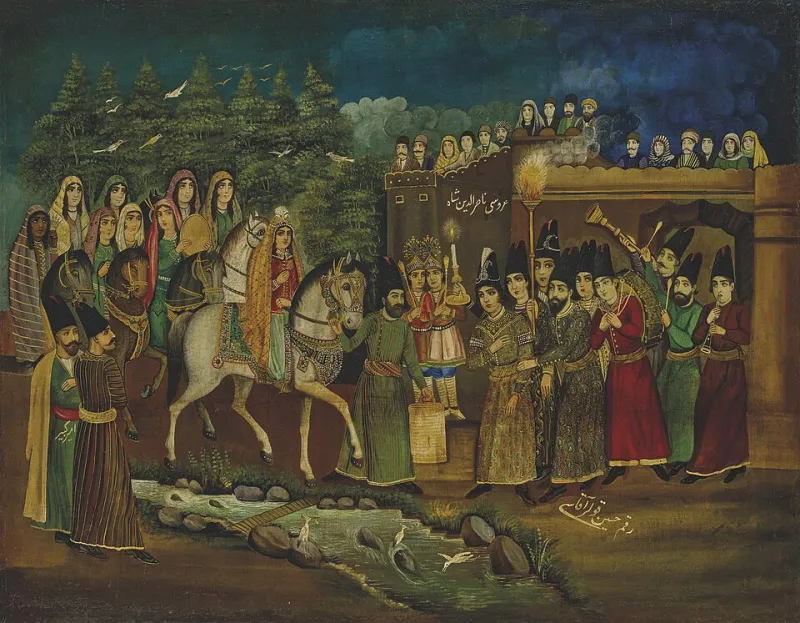
Photo: Hossein Qollar-Aqasi, Public domain, via Wikimedia Commons
When One Lens Isn't Enough
Every wedding is, at its core, a series of simultaneous stories. While the bride is sharing a quiet moment with her mother in one room, the groom and his groomsmen are laughing about something no one will remember in twenty years — except in a photograph. While rings are exchanged at the altar, guests in the third row are wiping tears they didn't expect to shed. These are not peripheral moments. They are the texture of the day itself, and they disappear the instant they occur.
A single photographer — regardless of experience, equipment, or talent — operates within the physical constraints of one body in one location. That is not a limitation of skill. It is simply the reality of space and time. Dual photographer coverage exists precisely to push against that constraint, ensuring that the breadth of your wedding day is documented with the same care as its centerpiece moments.
What a Second Photographer Actually Captures
The most immediate benefit of hiring a second shooter is simultaneous coverage during the ceremony itself. When a primary photographer is positioned at the altar to capture the couple's expressions as vows are exchanged, a second photographer can be stationed at the back of the aisle — or elevated in a balcony — capturing the full processional, the sweep of the room, and the faces of guests responding in real time.
This dual-angle approach yields images that, when placed together in an album, create a sense of presence that single-perspective coverage simply cannot replicate. The couple sees not only what they looked like to each other, but what they looked like to everyone who loved them enough to be there.
Beyond the ceremony, a second shooter provides coverage across logistically complex portions of the day. Getting-ready moments, for instance, often happen in separate locations for different members of the wedding party. Rather than splitting a single photographer's time between two suites — and inevitably missing something in each — two photographers can document both simultaneously, without compromise.
Cocktail hours present a similar opportunity. While the primary photographer works with the couple on formal portraits, a second photographer circulates through the reception space, capturing candid conversations, the first guests to find the photo booth, and the way the florist's centerpieces look before they're touched. These images rarely make the front of the album, but they are frequently the ones couples return to most often.
The Unpredictability Factor
American weddings, particularly outdoor celebrations held between late spring and early fall, are subject to weather that rarely cooperates entirely. A sudden afternoon thunderstorm in the middle of portrait time compresses a carefully planned schedule into a fraction of its intended duration. In those circumstances, having two photographers working in tandem — each moving through different groupings, different angles, different lighting scenarios — can salvage a timeline that would otherwise be impossible to execute.
Beyond weather, there is the broader unpredictability of any large gathering. Equipment malfunctions, though rare, do occur. A second photographer provides not only creative redundancy but also a functional safety net. If a primary camera body encounters a technical issue during the reception, the second shooter's presence ensures that coverage continues uninterrupted while the issue is resolved.
Creative Depth and Storytelling Range
Dual coverage also expands the visual vocabulary of your final gallery. Two photographers working a reception will naturally gravitate toward different details, different light, and different compositions. One may be drawn to wide environmental shots that capture the scale of the venue; the other may move in close to document the handwritten menu cards, the grandmother's bracelet, the way candlelight falls across the dance floor.
This divergence in perspective is not accidental — it is, in fact, one of the primary reasons experienced wedding photographers value working with a trusted second shooter. The resulting gallery offers couples a range of images that feels genuinely comprehensive rather than curated from a single point of view.
Is Dual Coverage Right for Your Wedding?
The honest answer is that it depends on the scale and structure of your celebration. Intimate elopements or micro-weddings with fewer than thirty guests and a single-location format may be served beautifully by one skilled photographer. The day's geography is contained, and the timeline is rarely fragmented across multiple venues or suites.
For weddings of one hundred guests or more, multiple venues or getting-ready locations, complex ceremony setups, or receptions that extend well into the evening, dual coverage becomes a meaningful investment rather than an optional upgrade. The more moving parts your day contains, the more value a second photographer provides.
From a financial standpoint, adding a second shooter to your wedding photography package typically represents a fraction of the overall photography investment — and a considerably smaller fraction of the total wedding budget. When weighed against what that coverage preserves, the calculation tends to be straightforward for couples who have thought carefully about what their photographs will mean to them in the years ahead.
A Conversation Worth Having
If you are in the early stages of booking your wedding photographer, it is worth asking directly about dual coverage options. A reputable photographer will be transparent about how they select and work with second shooters, how the resulting images are edited and delivered, and whether the approach is recommended for your specific wedding structure.
At Millie B Photography, the question of coverage depth is one we explore with every couple during the initial consultation — not to upsell, but because the answer genuinely shapes what your final album will be able to hold. A wedding day, by its nature, is unrepeatable. The photographs taken on that day will outlast the flowers, the cake, and eventually the venue itself.
The goal is always the same: to make sure that when you open that album years from now, it feels less like a highlight reel and more like the day actually happened.