When a Favor Becomes a Loss: The True Price of Skipping a Professional Wedding Photographer
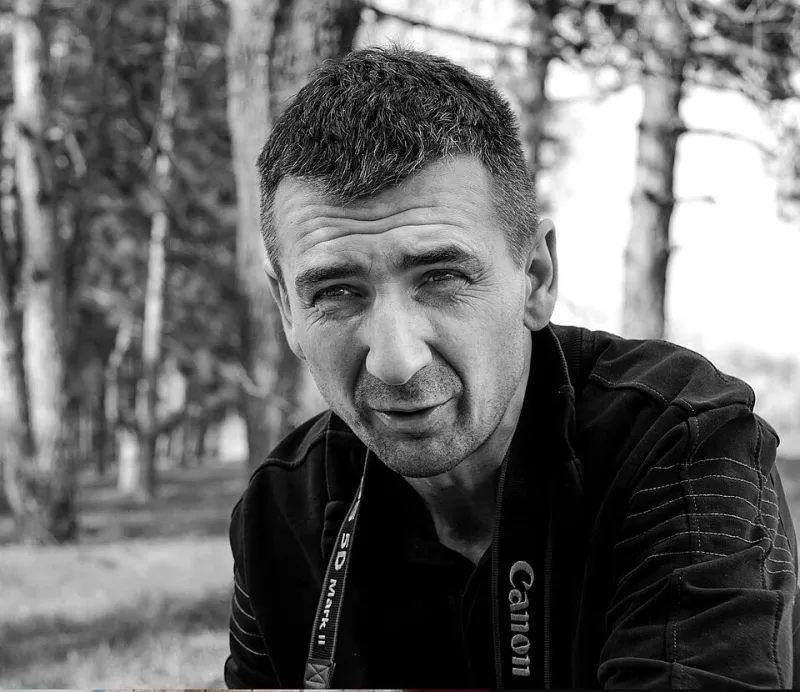
Photo: Fotografkrusevac, CC BY-SA 4.0, via Wikimedia Commons
There is a particular kind of heartbreak that arrives not on the wedding day itself, but weeks later — when a couple sits down to review their photos and realizes that the image they had imagined, the one they had described to their friend with the nice camera, simply does not exist. No amount of editing can recreate a first dance that was captured from the wrong angle. No filter can recover a blurry image of a father walking his daughter down the aisle. And no apology, however sincere, can give those moments back.
For many American couples planning their weddings, the decision to enlist a friend or family member as the primary photographer feels logical. It saves money. It feels personal. It seems like a meaningful way to involve someone they love. What it rarely feels like — until it is over — is a risk. But that is precisely what it is.
The Illusion of Skill Versus the Reality of Experience
Owning a high-quality camera is not the same as knowing how to use it under pressure. Wedding photography is among the most technically and emotionally demanding disciplines in the field. A professional photographer arrives at a venue having already assessed the lighting conditions, mapped the timeline, identified the key moments, and prepared contingency plans for everything from unexpected weather to a ceremony that runs thirty minutes behind schedule.
A talented friend, no matter how gifted, is working without that foundation. They have not photographed the nervous energy of a bridal suite at six in the morning. They have not navigated the chaos of a cocktail hour while simultaneously tracking the couple, the wedding party, and the parents. They have not learned, through years of experience, how to read a room and anticipate the spontaneous moments that define a wedding — the grandmother's quiet tears, the flower girl's wide-eyed wonder, the groom's expression the instant he sees his partner for the first time.
These are not skills that come with enthusiasm or even natural talent. They are earned through repetition, mentorship, and the kind of focused professional development that most hobbyists simply have not had the opportunity to pursue.
The Moments That Cannot Be Staged Twice
Wedding days are linear. They move in one direction, and they do not pause for a camera that needs adjustment or a photographer who lost track of where the couple went. Every moment that is missed is missed permanently.
Consider the ceremony itself. A professional photographer understands positioning — where to stand to capture the exchange of vows without obstructing the officiant's view, how to move quietly during the processional, when to shift locations to ensure both partners are visible in the frame. An inexperienced photographer, however well-intentioned, may not think through these logistics in advance. The result is often a collection of images that documents the event without capturing its emotion.
The same is true of reception details. The table arrangements, the handwritten place cards, the custom cake that took three months to design — these elements tell the story of a wedding just as much as the portraits do. A professional arrives with a shot list that accounts for these details. A friend with a camera arrives with good intentions and an incomplete understanding of what the final album actually needs to contain.
The Weight of an Unpaid Obligation
There is another dimension to this conversation that couples rarely discuss openly: what the arrangement does to the friendship itself.
When a friend agrees to photograph a wedding as a gift or at a reduced rate, they are taking on a professional responsibility without the professional framework that makes that responsibility manageable. If something goes wrong — if the photos are underexposed, if key moments are missed, if the editing takes months longer than expected — both parties are left in an extraordinarily uncomfortable position.
The couple cannot express their disappointment without feeling ungrateful. The friend cannot defend themselves without feeling attacked. What began as a generous offer becomes a source of tension that, in some cases, permanently alters the relationship. This is not a hypothetical scenario. It is a pattern that plays out across the country every wedding season, and it is one of the most quietly painful outcomes of DIY photography decisions.
Backup Plans and Equipment Failures
Professional photographers carry redundant equipment for a reason. Camera bodies fail. Memory cards corrupt. Batteries die at inopportune moments. An experienced photographer arrives to every wedding with backup bodies, multiple lenses, extra storage, and the technical knowledge to troubleshoot problems without disrupting the day.
Most amateur photographers, even skilled ones, do not operate with this level of preparation. A single equipment failure at the wrong moment can mean losing an entire portion of the day — the ceremony, the first look, the family portraits. Without redundancy, there is no safety net.
Beyond equipment, professional photographers also carry liability insurance and, in many cases, contracts that protect both parties and establish clear expectations. These structures exist because weddings are high-stakes events. They deserve the kind of professional accountability that a favor-based arrangement simply cannot provide.
An Investment in Memory, Not Just in Images
The photographs from a wedding are among the very few tangible artifacts a couple will carry with them for the rest of their lives. They will show them to their children. They will frame them on walls. They will return to them on anniversaries and in moments of grief and in quiet evenings when they want to remember what it felt like to stand in front of everyone they loved and make a promise.
Choosing a professional photographer is not an indulgence. It is a decision to take those memories seriously — to invest in the quality and completeness of the visual record that will represent one of the most significant days of a life.
At Millie B Photography, every wedding engagement begins with a conversation about what matters most to a couple and how to ensure those moments are captured with intention, skill, and care. The goal is never simply to document an event. It is to preserve the feeling of it — the light, the laughter, the quiet in-between moments that no one could have predicted but that, in hindsight, mean everything.
That is work that requires a professional. And it is work that, once the day has passed, cannot be done again.