From Consultation to Final Frame: A Client's Complete Guide to Preparing for a Portrait Session That Truly Reflects You
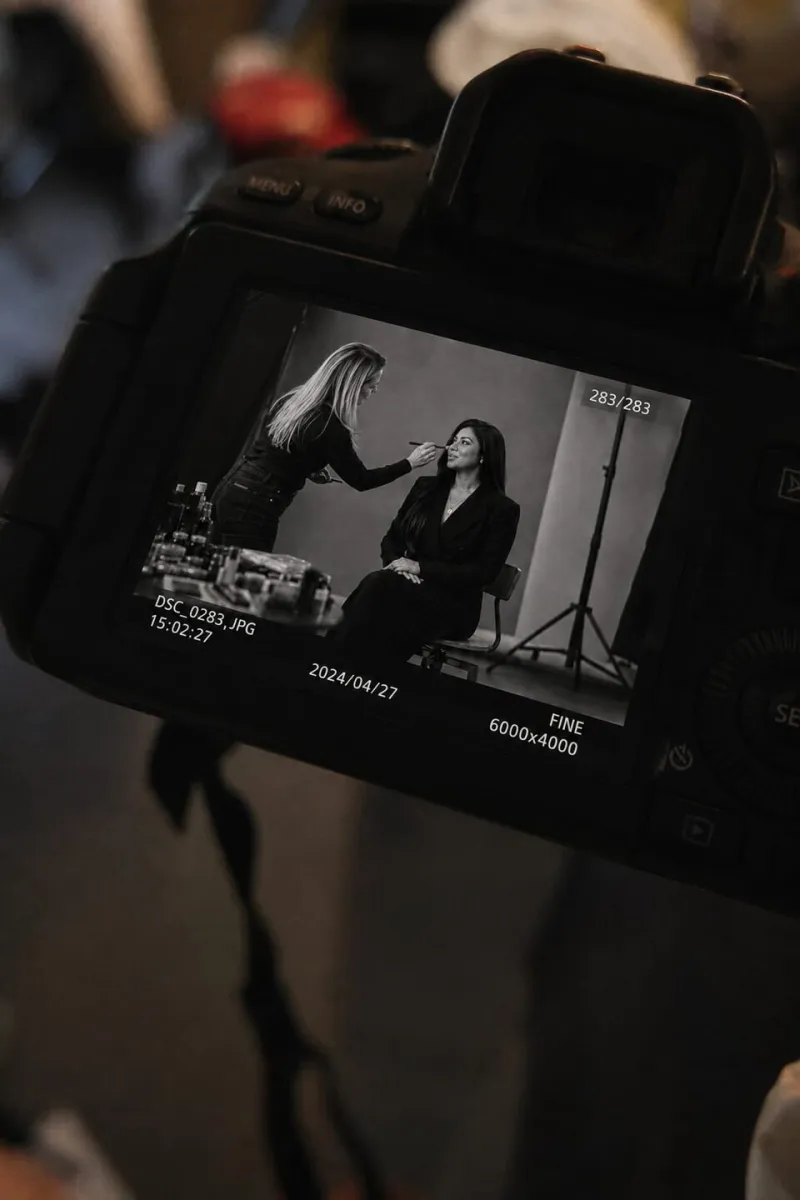
Photo: Anthea1806, CC BY 4.0, via Wikimedia Commons
Most people approach their first professional portrait session with a mixture of anticipation and quiet anxiety. They have a general sense of what they want — images that look polished, feel authentic, and communicate something true about who they are — but very little framework for how to make that happen. The gap between a forgettable session and a transformative one is rarely about the photographer's talent alone. It is almost always about preparation.
At Millie B Photography, the portrait process begins long before the first frame is captured. A great portrait session is a collaboration, and the most meaningful results emerge when clients arrive not just physically ready but mentally and creatively engaged. The following guide is designed to help you navigate every stage of that preparation.
Start With Clarity: What Is This Portrait For?
Before you think about what to wear or where to stand, spend time answering a more fundamental question: what do you want these images to accomplish? The answer shapes every subsequent decision.
A portrait commissioned for professional branding — perhaps for a LinkedIn profile, a company website, or a speaking engagement bio — carries different visual requirements than one created to document a family milestone or to celebrate a personal achievement. Personal branding portraits typically benefit from cleaner backgrounds, purposeful wardrobe choices that align with your industry, and expressions that project confidence and approachability. Family legacy portraits, by contrast, might prioritize warmth, connection, and a sense of place.
During the pre-session consultation at Millie B Photography, this conversation is the starting point. Understanding your purpose allows us to make informed recommendations about location, lighting style, and session structure — and it ensures that the final gallery serves your actual needs rather than a generic idea of what a portrait should look like.
The Consultation Process: Why It Matters More Than You Might Expect
Many clients are surprised by the depth of the pre-session consultation. It is not simply a scheduling call. It is an opportunity to share the context that will inform every creative decision made during your session.
Come prepared to discuss not only the practical logistics — your preferred dates, any locations you are considering, how many outfits you plan to bring — but also the less tangible elements. What qualities do you most want the images to convey? Are there photographs you have seen, whether from previous sessions or from photographers whose work you admire, that capture something close to what you are envisioning? Are there aspects of yourself that you feel are rarely captured well in photographs?
This last question is particularly valuable. Many clients carry long-standing beliefs about how they photograph — that they are always blinking, that one side of their face is less flattering, that they look stiff in front of a camera. Sharing these concerns openly allows your photographer to address them directly, whether through positioning adjustments, conversation techniques that encourage natural expression, or simply the reassurance that comes from working with someone who has navigated these exact concerns hundreds of times.
Wardrobe: Dressing for the Image, Not Just the Occasion
Wardrobe selection is one of the most consequential decisions you will make before a portrait session, and it is also one of the most commonly underestimated. The goal is not to wear your most impressive outfit. The goal is to wear clothing that reads well on camera, complements your chosen environment, and feels genuinely like you.
Solid colors and subtle patterns tend to photograph more cleanly than bold graphics or very busy prints, which can draw the eye away from your face. Clothing that fits well — neither too tight nor too loose — creates cleaner lines in the frame. For sessions with multiple people, coordinating rather than matching creates visual cohesion without the stiffness of identical outfits.
Bring more options than you think you will need. Having three or four wardrobe choices gives your photographer flexibility to suggest what will work best with the light and setting on the actual day of the session. It also gives you the psychological comfort of knowing that if one look does not feel right in the moment, another option is available.
Practical details matter as well. Steam or press your clothing the night before. Avoid wearing new shoes that may cause discomfort during an outdoor session. If your session includes outdoor locations in regions with variable weather — which describes much of the United States across spring and fall — layer thoughtfully so that you can adapt without losing the visual consistency of your look.
Location: Where You Are Shapes What the Images Say
The setting of a portrait communicates as much as the subject's expression. A downtown urban environment conveys energy and ambition. A natural landscape suggests authenticity and groundedness. A home environment creates intimacy and reveals personality through the details of daily life.
When selecting a location, consider what the setting will say about you — and whether that message aligns with the purpose of your session. For personal branding portraits, a location connected to your professional world can add meaningful context. For family portraits, a place that holds shared history — a neighborhood park, a family property, a beach that has been part of your story — tends to produce images with a depth that a generic backdrop cannot replicate.
At Millie B Photography, location scouting is part of the pre-session process. We consider not only the visual qualities of a space but also the practical ones: available light at the time of your session, accessibility, any permitting requirements, and the degree of privacy that will allow you to relax fully into the experience.
On the Day of Your Session: Showing Up Ready
The morning of your session, give yourself more time than you think you need. Rushed arrivals produce tense subjects, and tension is one of the most difficult things to resolve once a session is underway. Eat a proper meal, complete any grooming routines without hurrying, and arrive with enough buffer time to settle into the environment before shooting begins.
If you are bringing children, communicate with them in advance about what the session will involve. Children who arrive with a clear sense of what to expect — and who understand that some unstructured play time is part of the plan — tend to engage far more naturally than those who are surprised by the experience.
Finally, come with an open mind. The images that resonate most deeply are rarely the ones that went exactly according to plan. Trust the process, trust your photographer, and allow the session to unfold with some degree of spontaneity. The most meaningful portraits are almost always the ones that reveal something you did not fully anticipate — a quality of light, an expression of genuine ease, a moment of connection that no amount of planning could have manufactured.
That is, ultimately, what a session at Millie B Photography is designed to produce: not just a photograph that looks like you, but one that feels like you.