Unscripted and Unforgettable: The Art and Science of Capturing Candid Photography
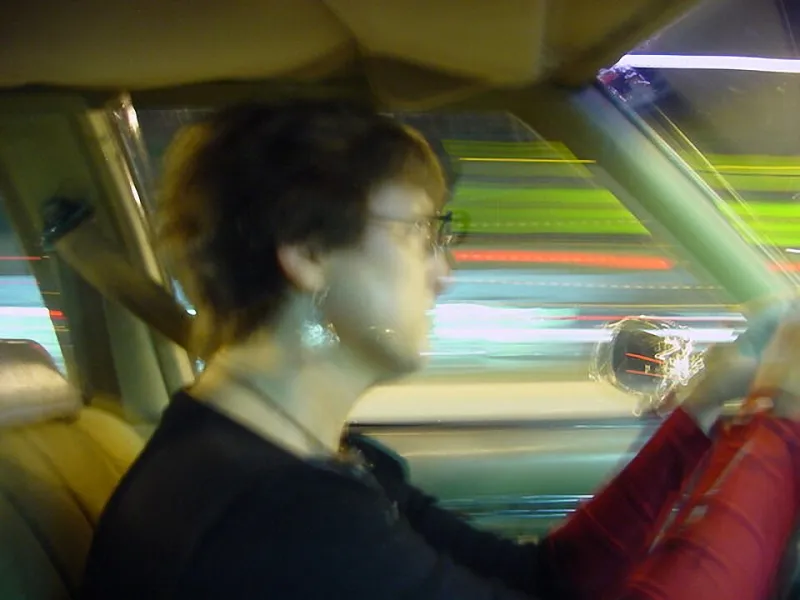
Photo: Rick Doble, CC BY-SA 4.0, via Wikimedia Commons
There is a particular photograph that almost every client describes when they first sit down for a consultation. It is not the image where everyone is looking directly at the camera, chins slightly raised, smiles precisely calibrated. It is the one where a grandmother is laughing at something just out of frame, or where two siblings have locked eyes in a moment of shared memory. It is, almost always, a candid shot — and yet it rarely happens by accident.
Candid photography is frequently mischaracterized as opportunistic, as though a skilled photographer simply points a lens at the world and waits for something meaningful to materialize. The reality is far more deliberate. Capturing authentic, unguarded moments is a discipline, one that requires psychological awareness, technical preparation, and a deeply trained visual instinct. At Millie B Photography, the candid image is treated not as a happy accident but as the result of intentional craft.
Why Unposed Images Carry More Emotional Weight
Research in visual psychology consistently demonstrates that human beings are remarkably good at detecting performed versus genuine emotion. We respond differently to a posed smile than to a spontaneous one, even when we cannot articulate why. The Duchenne smile — the kind that engages the muscles around the eyes as well as the mouth — is notoriously difficult to manufacture on command. When a camera appears and a subject is asked to smile, the result is often a close approximation of joy rather than joy itself.
This is precisely why candid images tend to resonate more deeply over time. A posed family portrait communicates that a family existed and gathered on a particular day. A candid image communicates how that family actually felt about one another. For clients seeking photographs that will hold meaning across decades — whether for a personal legacy collection, a professional brand, or a wedding album — that distinction is everything.
The Photographer's Role: Anticipation Over Reaction
Professional photographers who excel at candid work describe their process less as reaction and more as anticipation. Before a shutter is ever pressed, they are reading the environment — tracking conversational energy, noting which groupings of people are warming to one another, identifying the corners of a room where natural light falls most flatteringly and where subjects tend to relax their guard.
This observational phase is not passive. A skilled photographer is constantly recalibrating: adjusting position to remain unobtrusive, mentally noting which subjects are likely to generate expressive moments, and pre-composing potential frames so that when the moment arrives, the response is nearly instantaneous. The goal is to be present enough to capture everything while appearing invisible enough that subjects forget the camera exists.
This takes practice that extends well beyond technical proficiency. Many photographers who specialize in candid work study behavioral cues, practice shooting in crowded, unpredictable environments, and deliberately seek assignments that place them in situations where control is limited. The discipline of relinquishing control, paradoxically, is what makes candid photography so demanding.
Equipment and Settings That Enable the Spontaneous Shot
The technical side of candid photography is equally considered. Capturing a fleeting expression requires a camera and lens combination capable of responding as quickly as the human eye perceives the moment. At Millie B Photography, candid sessions typically involve prime lenses with wider apertures — often a 35mm or 50mm — that allow for sharp subject isolation even in lower light conditions without requiring a flash that would immediately break the mood.
Shutter speed settings are calibrated to freeze natural movement without introducing motion blur, while autofocus systems are configured for continuous tracking rather than single-point capture. These adjustments are made before the session begins, not in response to a moment already passing. The camera, in this sense, must be as ready as the photographer.
Silent or electronic shutter modes have also become increasingly valuable in candid work. The absence of a mechanical click means subjects remain unaware that a frame has been captured, allowing for a second, third, or fourth image of the same organic moment from subtly different angles.
What Clients Are Asking For — and Why
Across the United States, there has been a meaningful shift in how clients approach professional photography sessions. Where previous generations often prioritized formal, symmetrical portraits — the kind that would frame well above a fireplace mantle — contemporary clients are increasingly requesting that a significant portion of any session be devoted to unscripted interaction.
This trend is visible across all photography categories. Couples planning weddings now specifically request documentary-style coverage that emphasizes real moments over choreographed ones. Families commissioning portrait sessions ask photographers to capture them in motion — cooking together, walking through a favorite neighborhood, reading to their children — rather than standing still against a neutral backdrop. Corporate clients commissioning commercial photography for their brands have similarly moved toward imagery that depicts authentic workplace culture over sterile stock-photo aesthetics.
The underlying motivation is consistent: people want photographs that tell the truth about who they are and how they live, not photographs that present an idealized performance of those things.
Creating the Conditions for Genuine Moments
One of the most important things a professional photographer can do is architect the conditions under which candid moments are most likely to occur. This might mean suggesting a location that holds personal significance for the subject, building in unstructured time at the beginning of a session so that comfort with the camera can develop naturally, or introducing conversation topics that generate authentic emotional responses.
At Millie B Photography, pre-session consultations serve this purpose directly. Understanding what makes a client laugh, what relationships in their life carry the deepest meaning, and what environments make them feel most themselves allows the photographer to design a session that is structurally oriented toward genuine expression — even when that expression is entirely unplanned.
The candid photograph, at its best, is not luck. It is the outcome of a photographer who has done everything possible to be in the right place, with the right equipment, at the right moment — and who has created the human conditions that make that moment worth capturing.
When clients look back at their galleries from a session at Millie B Photography, it is almost always the unscripted frames they return to first. Those are the images that remind them not just of a day, but of who they actually were within it.