The Photos You'll Treasure Most Are the Ones That Weren't Planned
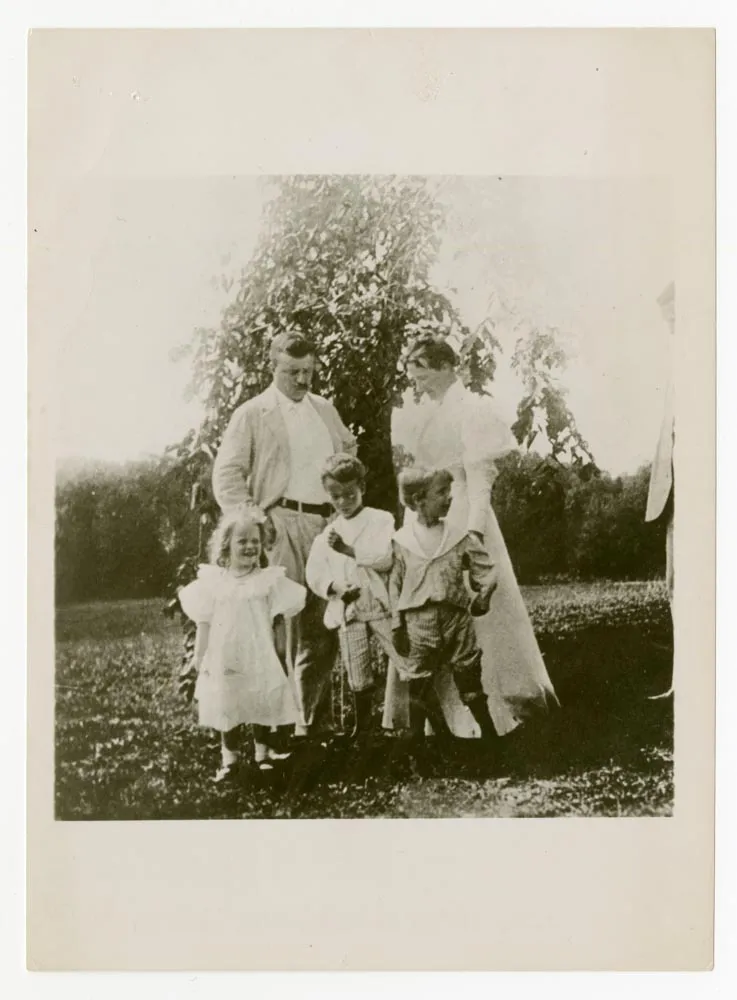
Photo: NPS, Public domain, via Wikimedia Commons
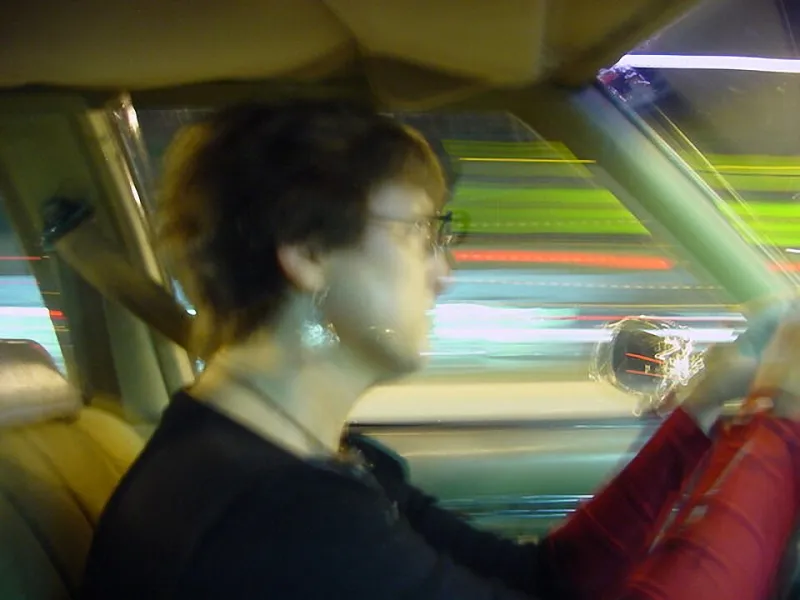
There is a photograph hanging in countless American living rooms that was never supposed to exist. It is blurry at the edges. The subject's eyes are half-closed. Someone's elbow is in the frame. And yet, the person who owns it would sooner remove a wall than remove that print.
We have spent the better part of a decade chasing perfection in photography—smoothed skin, golden-hour light, symmetrical compositions that perform beautifully on a five-inch screen. But something has shifted. Quietly, then all at once, clients are walking into conversations with photographers and asking for something that no filter can manufacture: realness.
Why the Brain Responds Differently to Imperfect Images
Psychologists who study emotional memory have long understood that we do not remember events the way a camera records them. We remember how something felt. The slight motion blur on a grandmother's hands as she reaches for her grandchild does not register as a technical failure—it registers as movement, warmth, and time passing. The brain interprets that imprecision as evidence that the moment was alive.
By contrast, a technically flawless portrait—perfectly lit, sharply focused, every strand of hair in place—can feel curiously inert. It documents. It does not transport.
This distinction matters enormously for anyone thinking about which images they want to live with, not merely share. The photographs we hang on walls, set on desks, or tuck into frames on a bookshelf are the ones we return to repeatedly over years. They need to do more than look good. They need to feel true.
The Cultural Shift Away from Perfection
Social media, paradoxically, is both the cause of our obsession with the polished image and the engine driving its undoing. Years of algorithmically optimized content have left many viewers numb to beauty that feels manufactured. There is a reason the most-shared family photographs on platforms like Instagram are increasingly the raw, unposed ones—the toddler mid-tantrum who somehow looks joyful, the couple laughing too hard to look at the camera, the group shot where everyone is looking in a different direction except the dog, who is staring directly at the lens.
American clients, in particular, are navigating a cultural moment that prizes authenticity as a form of courage. To present an unfiltered image of yourself or your family is, in some meaningful way, to say: this is us, and we are not performing for you. That vulnerability is precisely what makes those images resonate.
What This Means for How Portraits Are Made
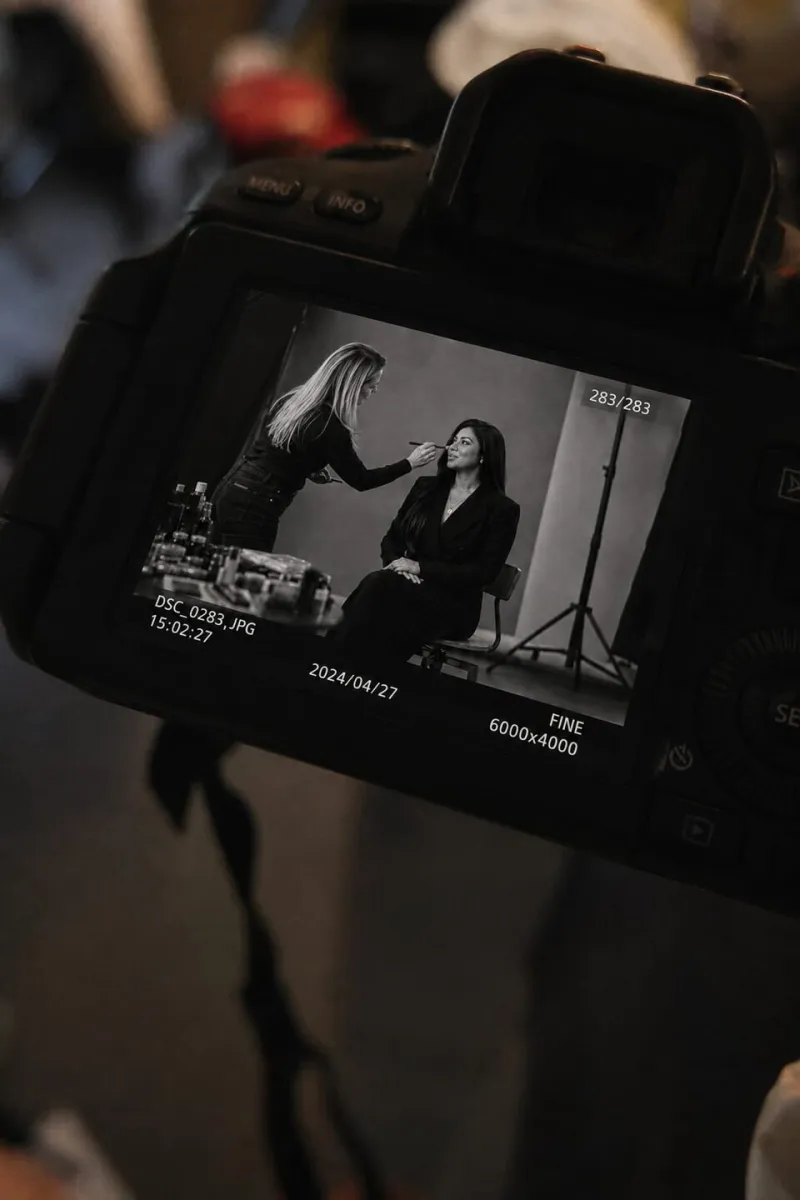
At Millie B Photography, this shift has influenced not just the final selection of images but the entire approach to a session. The most valuable work happens not when a subject is posed and ready, but in the transitions—the moment just before the pose is set, or the exhale after it releases. A child who has just been told a joke by a parent. A couple who forgot, for a moment, that they were being photographed.
This does not mean technical skill becomes irrelevant. Quite the opposite. It takes considerable craft to create conditions in which genuine moments can occur and then to capture them with enough technical competence that the emotion survives the print. Exposure, focus, and composition still matter—but they serve the moment rather than replace it.
The closed eyes that once would have sent a photographer back to the memory card in frustration are now sometimes the frame worth keeping. The tear that escaped before the ceremony officially began. The laugh that distorted a carefully arranged expression. These are not outtakes. They are the story.
What Clients Are Actually Displaying
The evidence is visible in the choices clients make when the gallery arrives. When given the full range of images from a session—technically perfect portraits alongside unguarded, spontaneous frames—a striking number of clients gravitate toward the latter for their largest prints and most prominent placements.
This is not a rejection of quality. It is a redefinition of it. Quality, in this new framework, is measured not in sharpness or dynamic range but in the degree to which an image communicates something irreplaceable about the people in it.
One client, reflecting on her family portrait session, put it simply: The perfect one is nice. But the one where my son is tugging my sleeve and I'm laughing and looking down at him instead of the camera—that's the one I see every morning.
Embracing Imperfection Without Abandoning Craft
For those preparing for a portrait session, this cultural shift carries a practical implication: the goal is not to perform for the camera but to be present with the people you are with. A skilled photographer will do the work of finding the light and reading the composition. Your only task is to forget, as much as possible, that you are being photographed.
The images that will matter to you in twenty years are not the ones where you looked your most polished. They are the ones where you looked most like yourself.
At Millie B Photography, the belief that guides every session is simple: life's most beautiful moments are rarely the ones we planned. The camera's job—and ours—is simply to be ready when they arrive.